During the first 1,000 days of the war in Ukraine, environmental damage caused by military actions totalled some $71 billion, while 180 million tonnes of carbon was released into the atmosphere.
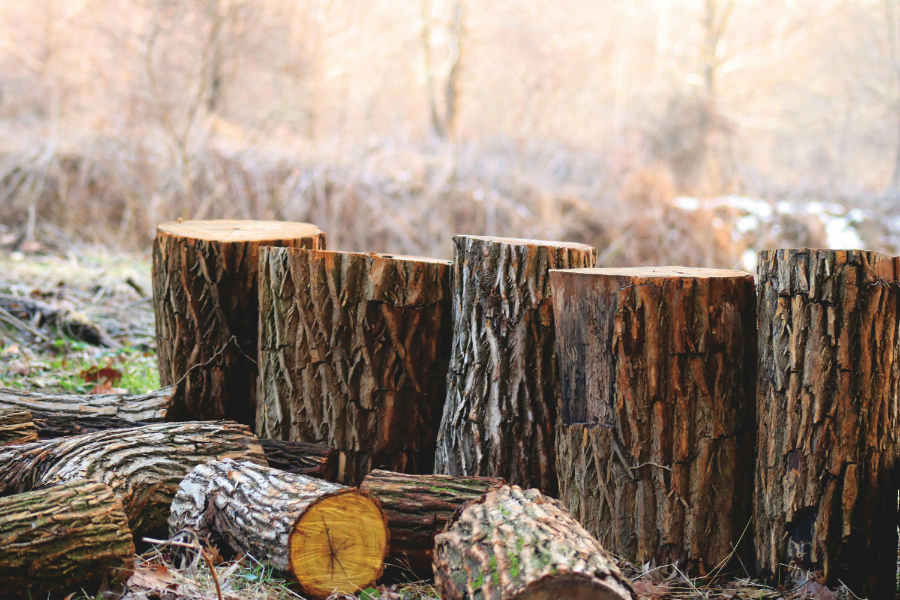
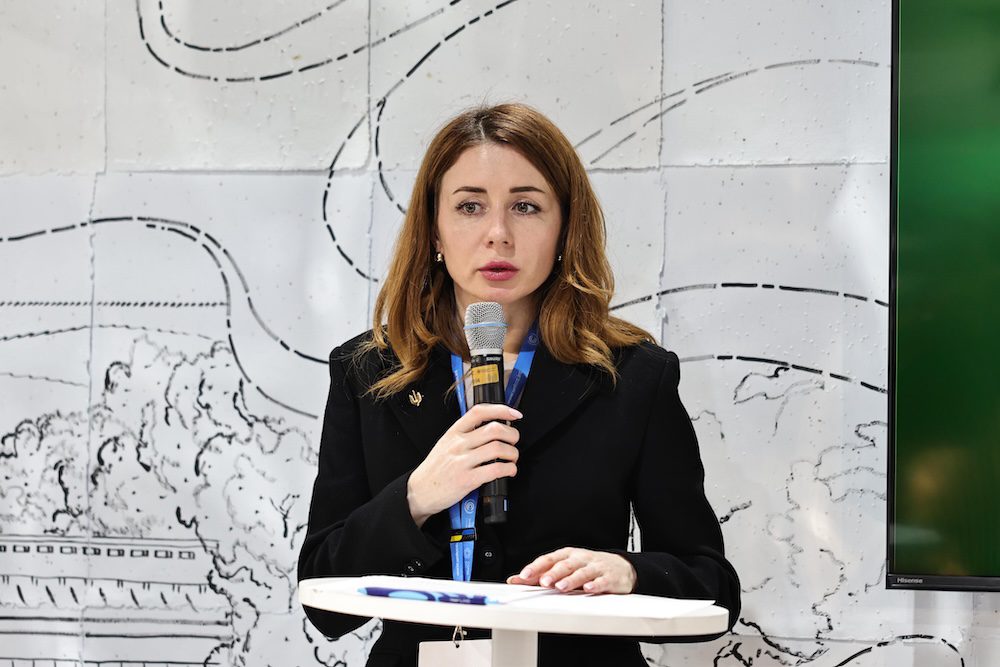
That’s according to Ukraine‘s Minister of Environmental Protection and Natural Resources, Svitlana Grynchuk, who added that some three million hectares of forests have been destroyed by the conflict.
‘Environmental crimes’
“During the full-scale invasion, Russia has committed over 6,500 environmental crimes,” Grynchuk explained. “More than six million Ukrainians have been forced to seek temporary refuge in various European countries, resulting in an additional 3.3 million tonnes of СО2 emissions. The total greenhouse gas emissions caused by the war amount to 180 million tonnes.”
Minister Grynchuk was speaking at a press conference at COP29 in Baku, which coincided with the 1,000th day since Russia’s invasion of Ukraine on 24 February 2022.
The carbon absorption potential of Ukraine’s forests has decreased by some 1.7 million tonnes, she noted, while the area of the country contaminated with explosive remnants covers some 139,000 square kilometres.
“Even in a peaceful European city, the air may contain traces of an exploded Russian missile,” Grynchuk added. “Combustion products released into the air by Russia’s missile strikes have already reached Romania, Moldova, Bulgaria, Hungary, Latvia, Lithuania, Estonia, Serbia, Croatia, and Poland.”
Restoration projects
While the war continues, Ukrainian citizens are embarking on restoration projects across the country – to compensate for forest losses, Ukrainians have planted 555 million trees across more than 75,000 hectares, while land mines have been removed from some 35,000 square kilometres.
Ukraine has committed to achieving climate neutrality by 2050 and is emphasising a ‘build back greener’ strategy, the Minister added. This vision integrates restoration with innovation, highlighting the necessity of international cooperation to document environmental harm, assess its impact, and receive compensation for environmental damage caused by Russia’s aggression. Read more here.