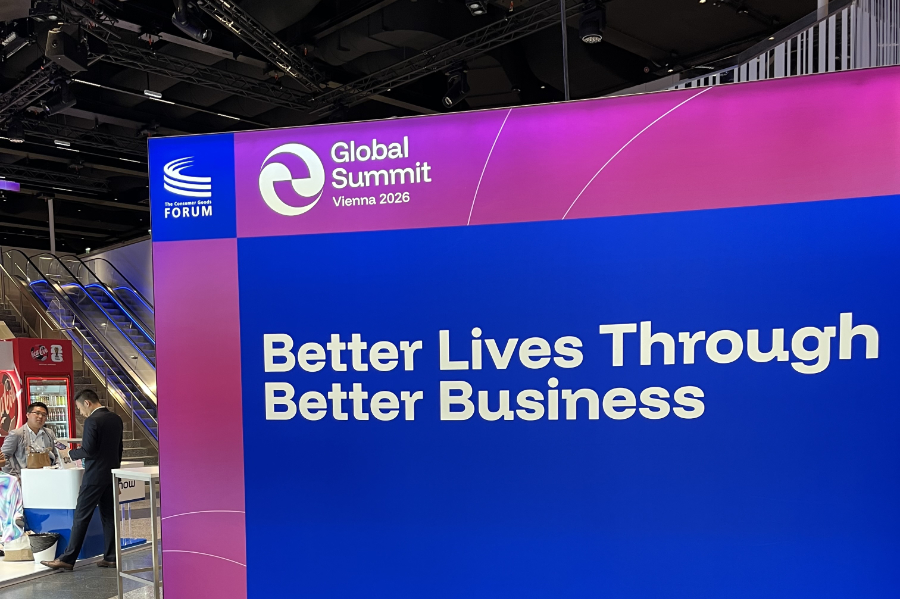
The Consumer Goods Forum (CGF) and Impactt have teamed up to launch a new data platform – the Ethical Recruitment Atlas – which seeks to help businesses identify and address worker-paid recruitment fees across global supply chains.
A freely accessible platform, the Ethical Recruitment Atlas brings together verified data on recruitment fees paid by migrant workers, providing stakeholders and policymakers with insights into where unethical recruitment practices are most prevalent.
Worker-paid recruitment fees are costs incurred by migrant workers to secure employment, such as agency fees, visa applications, medical examinations, travel expenses and work permits. These fees, which historically have been a ‘black box’, can leave workers in significant debt even before they take up employment, increasing their vulnerability to exploitation.
In some cases, worker-paid recruitment fees can amount to as much as 14.6 months’ wages, the groups noted.
‘Practical data’
“The Ethical Recruitment Atlas gives companies access to the kind of practical data that has been missing from the efforts to tackle worker-paid recruitment fees,” commented Didier Bergeret, director of sustainability at the CGF.
“For too long, businesses have had limited information to help them understand the scale of recruitment fees paid by migrant workers and to determine appropriate remediation when issues are identified. By bringing this data together in one freely accessible platform, the Atlas will help companies make more informed decisions, strengthen responsible recruitment practices and ultimately support better outcomes for workers.”
The Ethical Recruitment Atlas has been described as a ‘living, growing platform’, built on data gathered from 17 contributing organisations, including CGF members Unilever and Woolworths, as well as more than 17,000 interviews with migrant workers across 250-plus companies and over 40 publicly available sources. At launch, some 6,783 individual worker testimonies will be available publicly, with more to be added in due course.
The Atlas also marks an ‘important step’ in improving transparency around recruitment practices, the groups added, which have remained something of a grey area as workers are often unable to provide documentary evidence of the fees they have paid, and unscrupulous recruiters often deliberately avoid creating a paper trail.
‘More informed decisions’
“The Ethical Recruitment Atlas is more than a data platform, it is a practical tool that helps companies better understand recruitment risks, make more informed decisions and strengthen responsible recruitment practices,” added Patrick Shaw Brown, chief executive officer, Impactt. “By bringing together evidence from thousands of migrant workers, the Atlas provides organisations with the insights they need to identify risks, target action and improve recruitment systems.
“This is only the beginning. As more companies and partners contribute data and support the Atlas, it will become an increasingly valuable shared resource, driving greater transparency, better risk management and faster progress towards responsible recruitment globally.’’ Read more here.