A new study by the UK Centre for Ecology & Hydrology (UKCEH) has suggested that while nature-friendly farming methods improve both biodiversity and crop yields, government subsidies may be required to make it as profitable as conventional farming.
The four-year study, which was carried out alongside Rothamsted Research, was undertaken across 17 farms in southern England, and explored various agroecological methods as well as the financial viability of said methods.
Farming systems
Three systems were trialled – a ‘business as usual’ conventional intensive farming system; an ‘enhanced’ ecological approach with wildflower field margins and overwinter cover crops; and a ‘maximised’ system that incorporated in-field wildflower strips and farmyard manure to improve soil health.
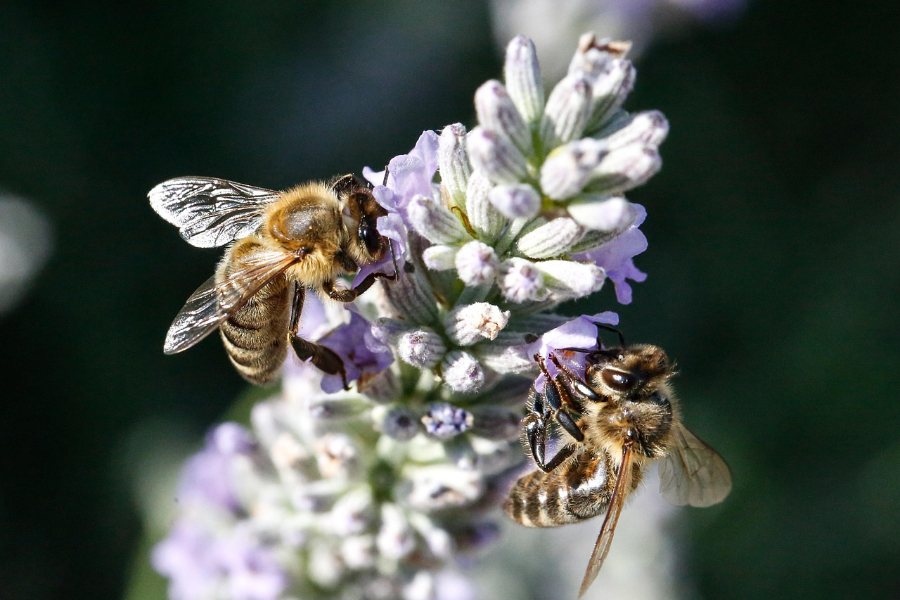
As it found, incorporating nature-friendly practices led to improved biodiversity, as well as higher populations of pollinators, natural pest predators, and earthworms in the ecological systems.
At the same time, however, the cost of developing these habitats, coupled with the loss of land that could otherwise be used for production, affected the profitability of these systems, with the researchers suggesting that subsidies may therefore be required to support farms’ transition to sustainable agriculture.
Deterring factors
“Without the introduction of new financial incentives, many farmers will be deterred from adopting agroecological farming practices and systems,” commented UKCEH ecologist Dr Ben Woodcock, who led the study. “This could leave them locked into high input, intensive farming systems, and more exposed to the impacts of pesticide resistance, declining soil health and climate change.”
Woodcock added that while farmers remain focused on profitability, there is also an increasing awareness that more sustainable farming systems can help them ‘future-proof’ their farms with regards to soil health, reliance on pesticides and climate change.
“Agroecological methods are good for biodiversity, food security and, in the long-term, provide more secure farm incomes but habitats can take several years to establish, so agri-environment subsidies are essential to helping farmers transition to these more sustainable systems,” he noted.
The findings were published in the Journal of Applied Ecology and funded by the Natural Environment Research Council and the Biotechnology & Biological Sciences Research Council. Read more here.