Next-generation nuclear technologies could provide ‘energy abundance’ for emerging economies, a new report by The Rockefeller Foundation has found.
The report, The Role of Nuclear Energy in Powering Universal Energy Abundance for Emerging Economies, explored the potential for nuclear deployment across Brazil, Ghana, India, Indonesia, Nigeria, Philippines, Rwanda, and South Africa.
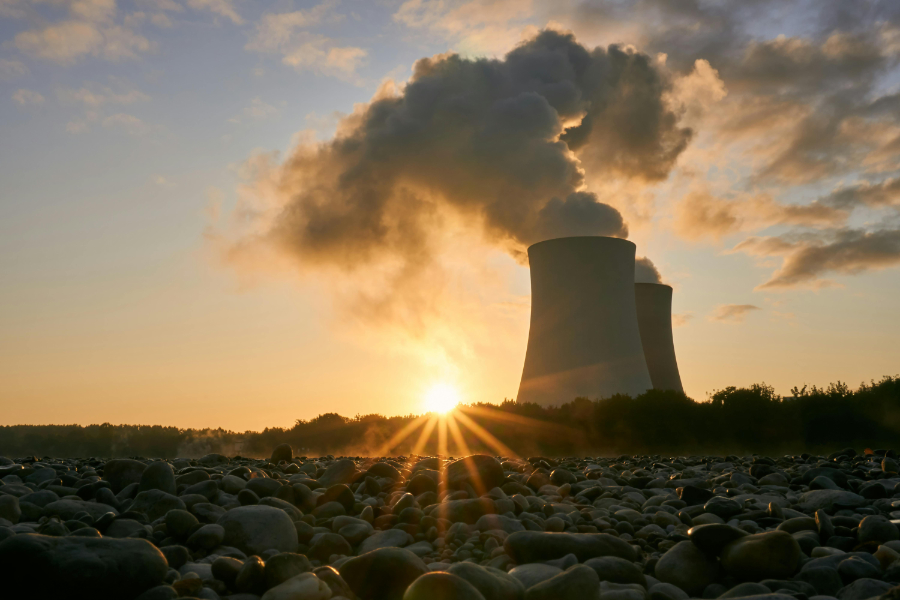
It found that with the right support and regulatory conditions, nuclear generation – including small modular reactors (SMRs) – could supply as much as one fifth of electricity in these countries by 2050, and lower system costs by close to a third (31%) compared to renewables-only pathways.
The countries spotlighted in the report are collectively home to more than two billion people, and are among the fastest-growing energy markets in the world.
‘Resilient, reliable and affordable’
“The Rockefeller Foundation is committed to building a future of universal energy abundance where everyone has access to resilient, reliable, and affordable electricity,” said Dr. Rajiv J. Shah, president of The Rockefeller Foundation.
“As global energy demand grows, it’s never been more urgent to explore new technological pathways for emerging economies to access power and unlock opportunity for their people. This report demonstrates how nuclear energy can play a critical role in meeting that need with clean, continuous power.”
While the role of nuclear power in the green energy transition has diminished in recent years, The Rockefeller Foundation notes that rising energy demand and growing energy security concerns have ‘led to renewed global interest in nuclear energy as a reliable, non-emitting source of baseload power’, while also complementing renewable resources and improving grid utilisation.
The study was conducted alongside Bayesian Energy, and combines detailed systems modelling with structured qualitative research and expert interviews.
‘Complementary technologies’
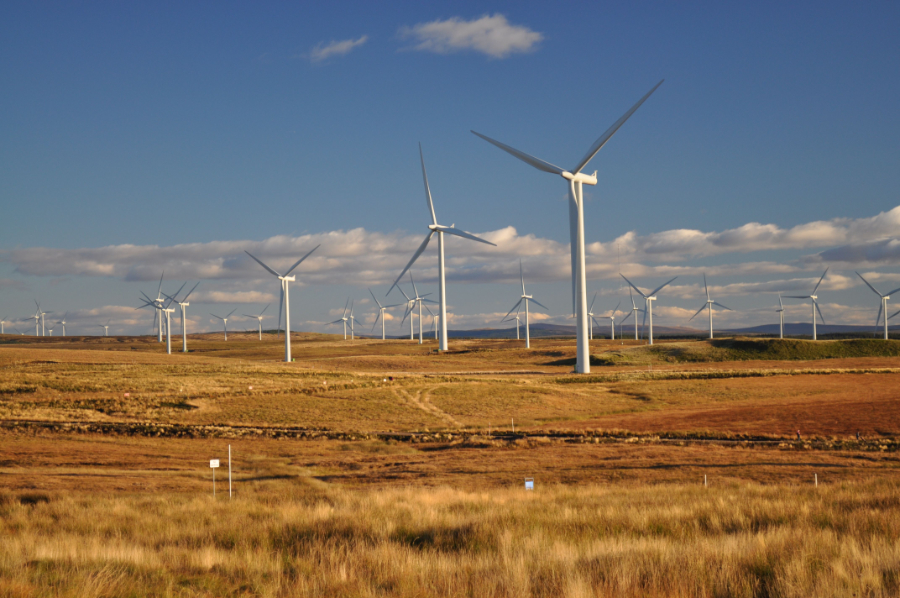
It concludes that renewables and nuclear should be viewed as ‘complementary technologies rather than rivals’, reducing the need for extensive storage and transmission build-out.
It also explores key financial, institutional, and social barriers, as well as enabling factors, and outlines the ‘catalytic role’ that philanthropy could play in early-stage nuclear deployment.
“Our modelling shows that nuclear can work with renewables and storage, not against them. Pathways with nuclear still rely on major renewable buildouts, but require far less storage and transmission,” added Aman Majid, co-founder of Bayesian Energy.
“That means billions of dollars in avoided costs for countries where every dollar counts – along with less land use, fewer transmission lines, and fewer permitting challenges. But those benefits only materialise if nuclear projects can be built on time and on budget and that’s where the hard work begins.” Read more here.