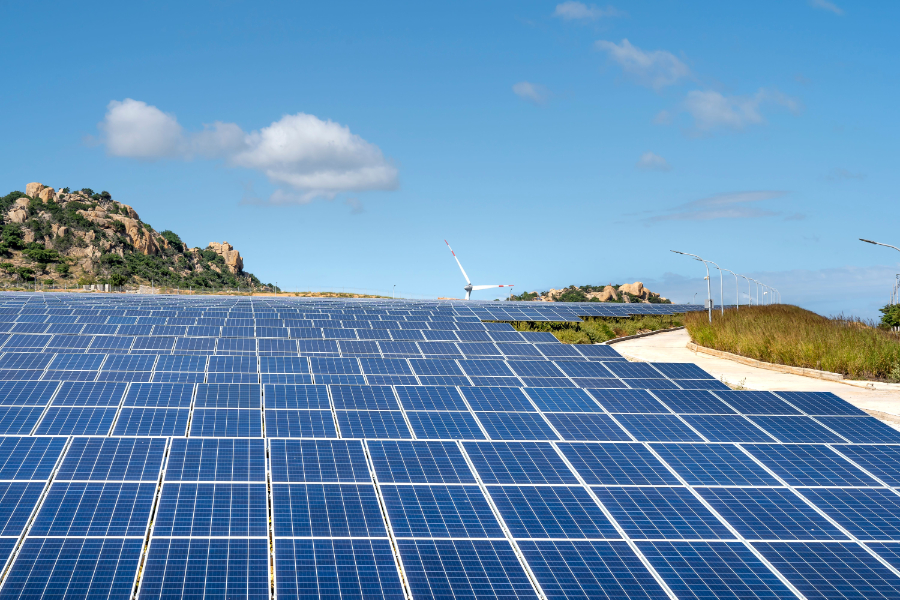
Statkraft, Europe’s largest renewable energy generator, has signed a long-term solar power purchase agreement with consumer goods giant Unilever, which will deliver renewable electricity from four recently-constructed solar PV farms in Aragon, Spain.
Under the terms of the agreement, approximately 61 GWh of renewable electricity will be generated each year over the next 11 years.
Emissions reduction
According to Unilever, this energy will play a key role in its efforts to achieve its science-based target of 100% absolute reduction in Scope 1 and 2 greenhouse gas emissions by 2030 (from a 2015 baseline).
“This PPA enables us to contribute to the transition of the European power grid and bring products to our customers using renewable electricity,” Ilkem Yildiz, senior manager global procurement – Technology, Energy & Decarbonization at Unilever, noted in a post on LinkedIn.
Statkraft initiatives
Headquartered in Oslo, Statkraft is a major producer of hydropower, wind power, solar power and gas-fired power, and boasts a workforce of around 7,000 employees in more than 20 countries.
The group also recently signed a PPA with Suomen Voima, a Finnish energy firm, which will run for a period of 15 years, as well as unveiling three wind farms in the O’Higgins Region of Chile, which boast a combined capacity of over 100 MW.
In the group’s most recent quarterly results, for Q3 2024, Statkraft CEO Birgitte Ringstad Vartdal noted that the company has “started to implement the sharpened strategy of the company, focusing investments on fewer markets, building scale and strengthening our competitiveness and value creation. We recently decided to divest our onshore wind, solar and battery business in the Netherlands and Croatia, and over time divest the hydropower and solar assets in India.” Read more here.