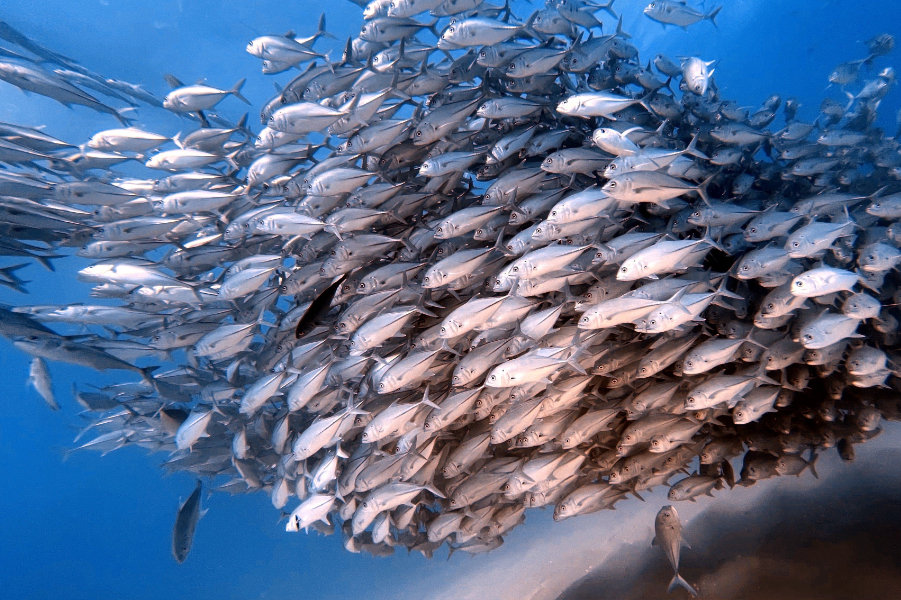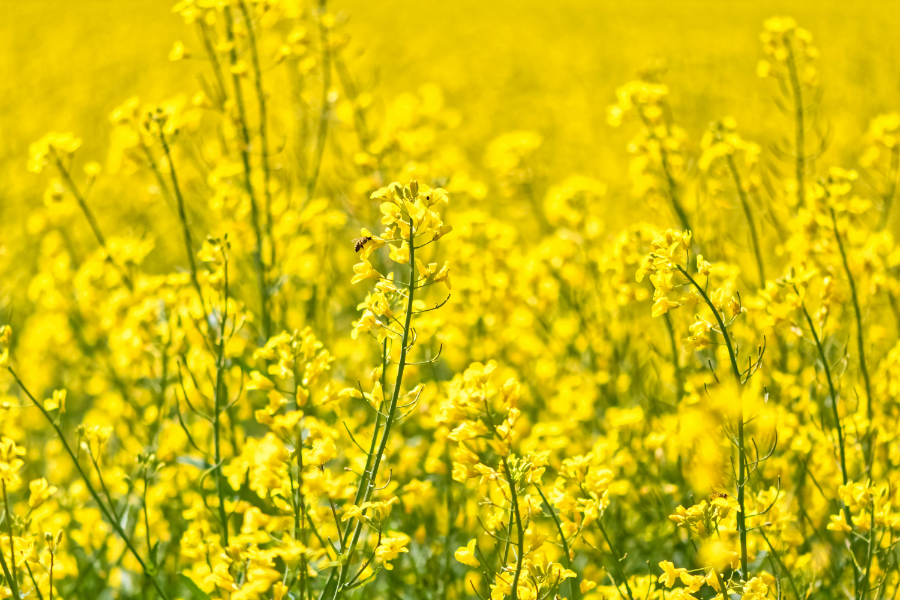
Pesticides are causing ‘overwhelming negative effects’ on plant life, birds, fish and mammals, and are a ‘major contributor to the biodiversity crisis’, a new study has claimed.
The study, undertaken by an international research team that included the UK Centre for Ecology & Hydrology (UKCEH) and the University of Sussex, examined 1,700 field and lab studies on the impact of 471 different pesticide types currently use either in agriculture or domestically.
It found that some 800 species were affected by the use of these pesticides, which led to stunted growth, inability to reproduce, as well as cell and metabolism damage.
‘A necessary evil’
“Our study provides an unparalleled insight into the consequences of pesticide use on the natural environment globally,” commented co-author Dr Ben Woodcock, an ecologist at UKCEH.
“Pesticides are a necessary evil, without which global food production and farmers’ livelihoods would likely collapse. However, our findings highlight the need for policies and practices to reduce their use. This could include bottom-up initiatives led by farmers such as regenerative agriculture, as well as government policies such as Defra’s Sustainable Farming Incentive, which pays farmers to reduce insecticide use on crops.”
Alternative measures
To reduce the reliance on pesticides, the researchers suggested a number of alternative measures, including the use of natural pest controls – such as ladybirds, beetles, frogs, and birds – the adoption of more biodiversity-friendly farming practices, and crop rotation and planting timing adjustments to disrupt pest life cycles.
Across the European Union, around 10% of land used for agricultural purposes is organic, using no synthetic pesticides.
“It is often assumed that pesticides are toxic primarily to the target pest and closely related organisms, but this is clearly not true,” added Professor Dave Goulson of the University of Sussex, who assisted with the research. “Concerningly, we found pervasive negative impacts across plants, animals, fungi and microbes, threatening the integrity of ecosystems.”
The findings were published in the Nature Communications journal. Read more here.