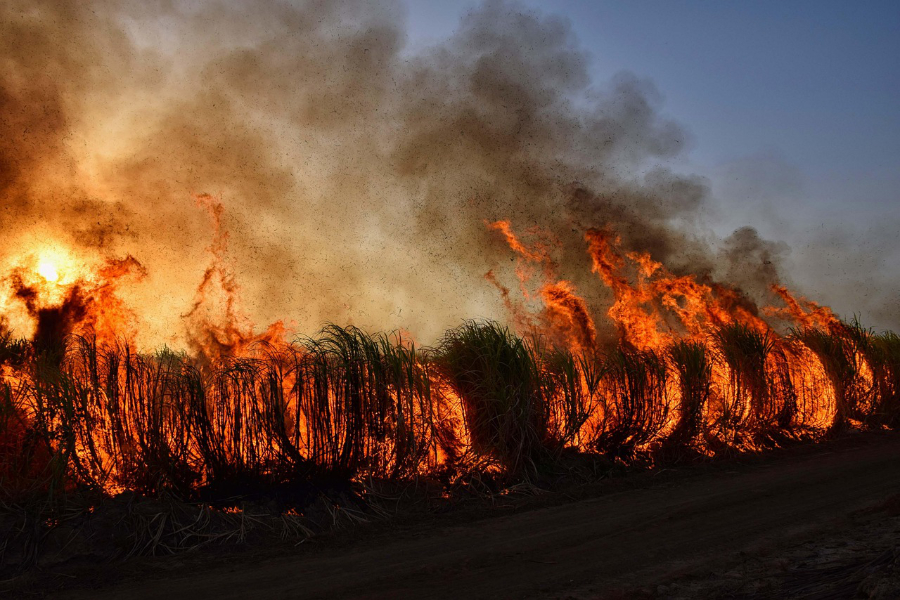
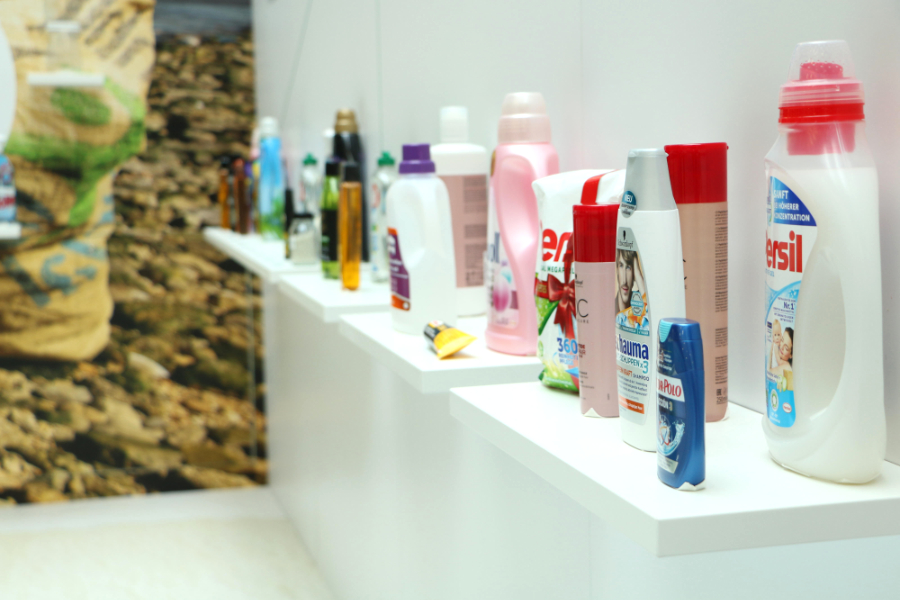
Increased sourcing of sustainable biomass could meet at least 20% of the EU’s chemicals and derived materials sector’s carbon demand by 2050, a new study by BIC (Bio-based Industries Consortium) and the Renewable Carbon Initiative (RCI) has found.
According to the study, which was conducted by the nova Institute, sustainably-sourced biomass – including agricultural and woody biomass – accounted for 5.5% of the sector’s carbon demand in 2023 at EU level, and 10% globally.
It adds that sustainably-sourced biomass could ‘significantly defossilise’ the chemicals and derived materials sector, which currently relies on fossil fuels for between 90% and 95% of its needs.
‘A clear framework’
BIC and RCI said that the study ‘provides a clear framework to scale biomass, drive innovation, shape policies, and advance sustainability’.
The onus is now on policymakers to support the bio-based industrial ecosystem – which could enhance Europe’s global standing, strategic autonomy, and circular economy goals, it added.
A competitive sector
“The bio-based industry can significantly contribute to the changes needed for a competitive, sustainable, circular chemicals and materials sector by 2050,” commented BIC executive director Dirk Carrez. “Sourcing sufficient biomass will be a key element for this transformation.
“This report offers a comprehensive framework to scale biomass supply, foster technological innovation, promote rural development, shape impactful policies, and advance sustainable practices in the chemicals and materials sector, ultimately enhancing both industry and European competitiveness.”
Authors of the report included Michael Carus, Olaf Porc and Christopher vom Berg (nova-Institute), Markus Kempen (EuroCare), Franziska Schier (TI-WF) and Julia Tandetzki (TI-WF).
Read the full report, Is there enough biomass to defossilise the EU’s chemicals and derived materials sector?, here.